
How Chatbots Are Revolutionizing Customer Support

Written by
Netizens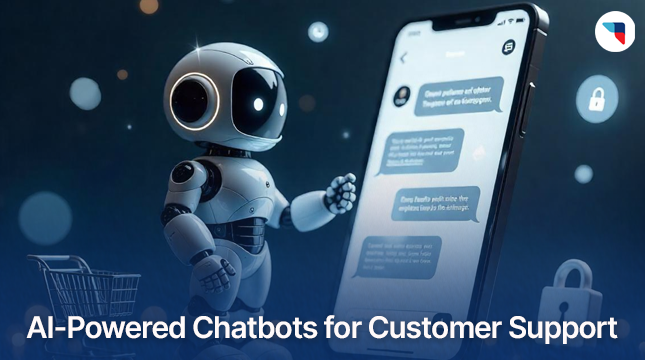
Introduction
Customer support has always been an important part of business success. However, traditional support methods often struggle to meet the growing demands of modern consumers. Long wait times, limited availability, and high operational costs are just a few of the hurdles businesses face.
Enter chatbots—AI-powered virtual assistants designed to transform the customer support landscape. By offering instant, round-the-clock assistance, chatbots are revolutionizing how businesses interact with their customers. In this article, we’ll explore the features, benefits, challenges, and future of chatbots in customer support.
What Are Chatbots?
Chatbots are essentially software programs that replicate human discussions. These virtual assistants use text or voice interactions to answer queries, provide information, and solve problems for customers.
Types of Chatbots
-
- Rule-Based Chatbots: These operate on pre-defined scripts and workflows. While efficient for simple tasks, they lack the flexibility to handle complex conversations.
- AI-Powered Chatbots: Leveraging machine learning and natural language processing (NLP), these chatbots understand and respond to queries in a more human-like manner, continuously improving over time.
Key Features of Modern Chatbots
-
- Natural Language Processing (NLP)
NLP allows chatbots to understand and interpret human language, enabling more accurate responses. It bridges the gap between robotic scripts and conversational communication, making customer interactions feel natural and intuitive.
-
- Multilingual Support
Global businesses require tools that can serve a wide range of audiences. Chatbots equipped with multilingual capabilities ensure seamless communication across different languages, enhancing accessibility and inclusivity.
-
- 24/7 Availability
Unlike human agents, chatbots never need breaks or sleep. They provide uninterrupted support, ensuring customers receive help whenever they need it—day or night.
-
- Integration with Multiple Channels
Modern chatbots integrate seamlessly across platforms, from websites and mobile apps to social media and messaging apps like WhatsApp or Facebook Messenger. This omnichannel presence ensures consistent customer experiences.
Benefits of Using Chatbots in Customer Support
-
-
Instant Responses and Reduced Wait Times
-
Time is money, and customers expect quick solutions. Chatbots drastically reduce response times, providing instant answers to common queries and minimizing frustration.
-
-
Personalization and Enhanced Customer Experience
-
Advanced chatbots analyze customer data to offer tailored recommendations, fostering a sense of personalization that builds loyalty and trust.
-
-
Cost Efficiency for Businesses
-
By automating repetitive tasks, chatbots reduce the need for large customer service teams. This translates to significant cost savings, especially for businesses handling high volumes of queries.
-
-
Scalability During Peak Demand
-
Chatbots can handle thousands of interactions simultaneously, making them invaluable during peak times such as sales events or holidays.
How Chatbots Enhance Customer Support Strategies
-
- Handling High Volumes of Queries
Manual support systems struggle with spikes in demand. Chatbots can manage a large number of requests without compromising response times or quality.
-
- Redirecting Complex Issues to Human Agents
While chatbots handle routine inquiries, they can escalate complex problems to human agents. This ensures customers receive the expertise they need while agents focus on high-priority cases.
-
- Insights and Analytics for Improvement
Chatbots collect useful information about consumer behavior, preferences, and pain points. Businesses can use these insights to refine their services and enhance customer satisfaction.
Real-World Applications of Chatbots in Customer Support
Chatbots have become a versatile tool, transforming customer support across various industries. Their adaptability makes them a key component in delivering efficient and seamless experiences.
1. E-commerce
In the fast-paced world of online shopping, chatbots play a pivotal role. They assist customers with:
-
- Product recommendations based on browsing history.
- Order tracking and real-time updates.
- Resolving common issues like refund queries or payment errors.
Brands like Amazon and Shopify have implemented chatbots to improve customer satisfaction and drive sales by offering personalized shopping experiences.
2. Banking and Finance
In the financial sector, chatbots streamline customer interactions while maintaining security.
-
- They help customers check account balances, process payments, and set reminders for bills.
- Chatbots like Erica by Bank of America provide financial advice, making banking more accessible and convenient.
3. Healthcare
Chatbots are revolutionizing patient care by addressing inquiries like:
-
- Appointment scheduling.
- Providing information about symptoms and treatments.
- Sending medication reminders.
For instance, the Babylon Health app combines AI and chatbot technology to provide users with immediate health advice based on symptoms.
4. Travel and Hospitality
From booking tickets to offering travel tips, chatbots enhance the travel experience.
-
- They assist with itinerary planning and hotel bookings.
- Provide instant support for flight delays or cancellations.
Companies like Expedia use chatbots to handle bookings and post-travel inquiries, ensuring travelers enjoy a hassle-free experience.
Challenges and Limitations of Chatbots
Despite their advantages, chatbots come with certain challenges that businesses need to address.
-
- Inability to Handle Complex Conversations
While chatbots excel at resolving straightforward issues, they may struggle with nuanced or emotionally charged conversations. Complex queries often require human empathy and critical thinking, which bots lack.
-
- Dependence on Accurate Data and Programming
The performance of chatbots relies heavily on the quality of their programming and the data they’re trained on. Poorly designed bots can misinterpret queries, leading to customer frustration.
-
- Customer Preference for Human Interaction
Some customers still prefer speaking to a human, especially for sensitive issues. Over-reliance on chatbots can risk alienating these customers if human support options aren’t readily available.
Also Read: AI for Proactive Customer Service Solutions
Best Practices for Implementing Chatbots
To fully leverage the benefits of chatbots, businesses must adopt best practices in their implementation.
-
- Defining Clear Objectives
Before deploying a chatbot, businesses need to identify specific goals. Is it to reduce response times, handle FAQs, or drive conversions? Clear objectives ensure the chatbot aligns with business needs.
-
- Training with Relevant Data
Chatbots must be trained using accurate and comprehensive data to perform effectively. Incorporating customer behavior insights and past interactions enhances their ability to provide relevant responses.
-
- Combining Chatbots with Human Support
A hybrid strategy provides the best of both worlds. While chatbots handle routine queries, complex issues should seamlessly escalate to human agents for resolution.
-
- Continuous Monitoring and Improvement
Regular updates based on performance data and customer feedback keep chatbots effective. This includes refining their responses and incorporating the latest AI advancements.
The Future of Chatbots in Customer Support
The future of chatbots looks promising, with advancements in AI and machine learning driving their evolution.
1. Conversational AI
With improvements in conversational AI, chatbots are becoming more adept at understanding context and engaging in meaningful conversations.
2. Voice-Enabled Chatbots
The rise of voice assistants like Alexa and Google Assistant has paved the way for voice-enabled chatbots. This technology will make customer interactions even more intuitive and accessible.
3. Predictive Assistance
Future chatbots may proactively identify customer needs based on past interactions, offering solutions before issues even arise. This level of personalization will set new benchmarks in customer support.
4. Integration with Emerging Technologies
From augmented reality (AR) to blockchain, chatbots will increasingly integrate with cutting-edge technologies to offer enhanced services. Imagine a chatbot that helps customers visualize products in AR before purchasing!
Also Read: 10 Ways for Business Automation strategies in 2025
Netizens Technologies: Your Partner in AI-Powered Chatbot Solutions
If you’re looking to harness the power of AI and integrate advanced chatbots into your customer support system, Netizens Technologies is here to help. With expertise in creating cutting-edge AI solutions, Netizens Technologies specializes in designing and deploying chatbots tailored to your business needs. Whether it’s developing chatbots with natural language processing (NLP), multilingual capabilities, or seamless multi-platform integration, their team ensures your business stays ahead in customer support innovation.
By partnering with Netizens Technologies, you can streamline customer interactions, improve satisfaction, and boost efficiency—all while keeping costs in check. Let Netizens Technologies revolutionize your support system with smart, scalable, and highly effective chatbot solutions today!
Conclusion
Chatbots have redefined customer support by offering instant assistance, reducing costs, and delivering personalized experiences. Their ability to handle high volumes of queries, integrate seamlessly across platforms, and provide actionable insights makes them indispensable for businesses.
However, to unlock their full potential, businesses must address their limitations and follow best practices. As AI technology continues to advance, the capabilities of chatbots will only grow, further revolutionizing the customer support landscape.
FAQs
1. What industries benefit the most from chatbots?
Chatbots are widely used in e-commerce, banking, healthcare, travel, and hospitality. They provide tailored solutions to industry-specific challenges, such as product recommendations in retail or appointment scheduling in healthcare.
2. How do chatbots improve customer satisfaction?
By providing instant responses, personalized interactions, and 24/7 availability, chatbots enhance the customer experience and build trust in the brand.
3. Can chatbots replace human customer support completely?
No, chatbots are designed to complement human agents by handling repetitive tasks. Complex and emotional interactions still require human expertise.
4. What technologies power modern chatbots?
Modern chatbots leverage natural language processing (NLP), machine learning, and AI to understand and respond to queries. Some also integrate with voice recognition and predictive analytics technologies.
5. How can small businesses implement chatbots effectively?
Small businesses can start with affordable, pre-built chatbot solutions and focus on automating simple tasks. Regular updates and a clear escalation process for human support ensure smooth operations.





Let's Start Your Project
Get free consultation for your digital product idea to turn it into reality!
Get Started